How to Choose the Right Welding Table — And Light It Properly
A solid welding table is one of the most important investments you’ll make in your welding setup — whether you’re working in a garage, a

If you’ve ever shopped for welding gear or talked with experienced welders, you’ve probably heard both terms: welding hood and welding helmet. At first, they might sound like two words for the same thing — and in casual conversation, they often are. But depending on who you’re talking to, where you’re working, and what you’re welding, there can be subtle differences that matter more than you might expect.
In this post, we’ll break down the terms, the differences (if any), and why it’s important to choose the right head protection for your welding job.
1. Welding Hoods: The Traditional Term: The term welding hood is often used interchangeably with helmet, especially among seasoned welders and in the pipeline and industrial welding community. In these settings, a “hood” typically refers to a traditional, passive helmet—a solid, usually fiberglass or phenolic shell with a fixed-shade lens that doesn’t auto-darken. Welding hoods are known for being extremely durable, lightweight, and simple. They’re often favored by pipeline welders, boilermakers, and structural steelworkers who don’t need to change their lens shade frequently and want something that will survive rugged conditions. Classic brands like Jackson or Fibre-Metal make hoods that are trusted across job sites.
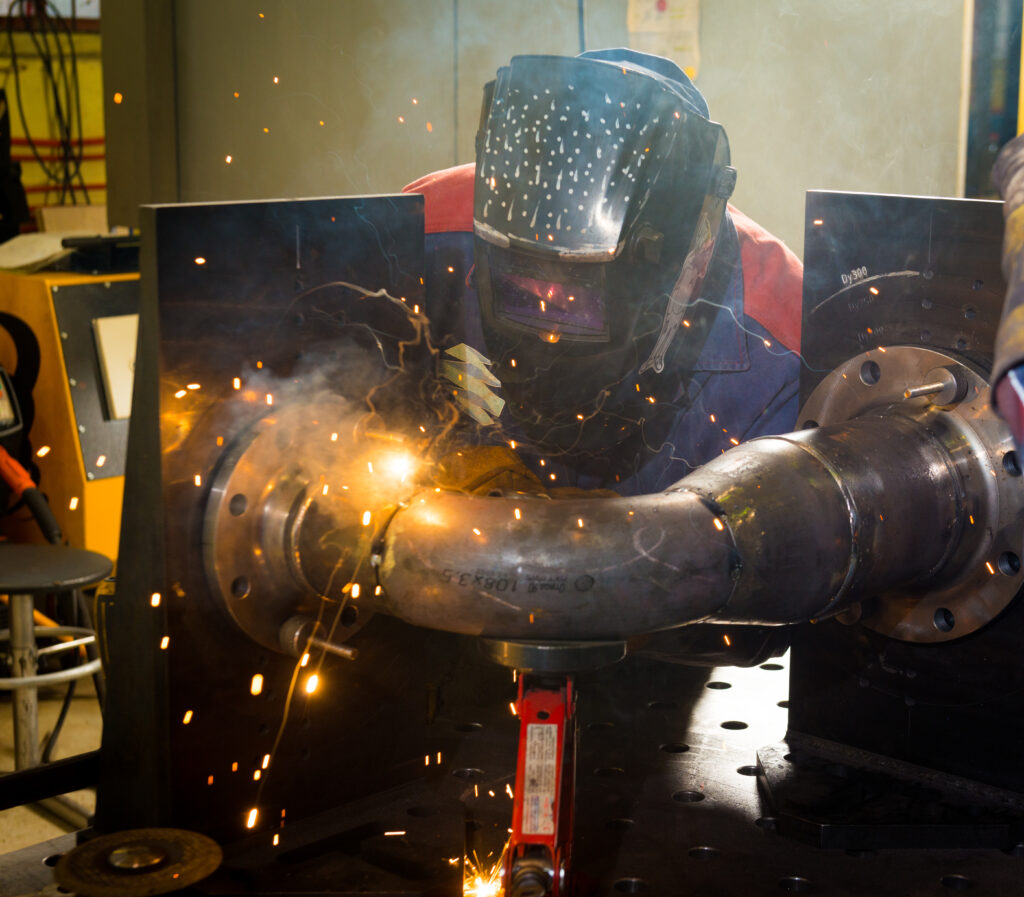
2. Welding Helmets: The Modern Upgrade: When people refer to a welding helmet, they’re usually talking about auto-darkening helmets—modern versions equipped with electronic lenses that adjust shade levels automatically when the arc is struck. These helmets offer adjustable sensitivity, delay settings, and even multiple shade options based on the welding process. Welding helmets are ideal for shop or fabrication work, where welders move between processes (like MIG, TIG, or grinding) and need quick transitions. They reduce neck fatigue since you don’t have to nod the helmet down before every weld, and they’re great for beginners who benefit from clearer visibility and faster setup time.
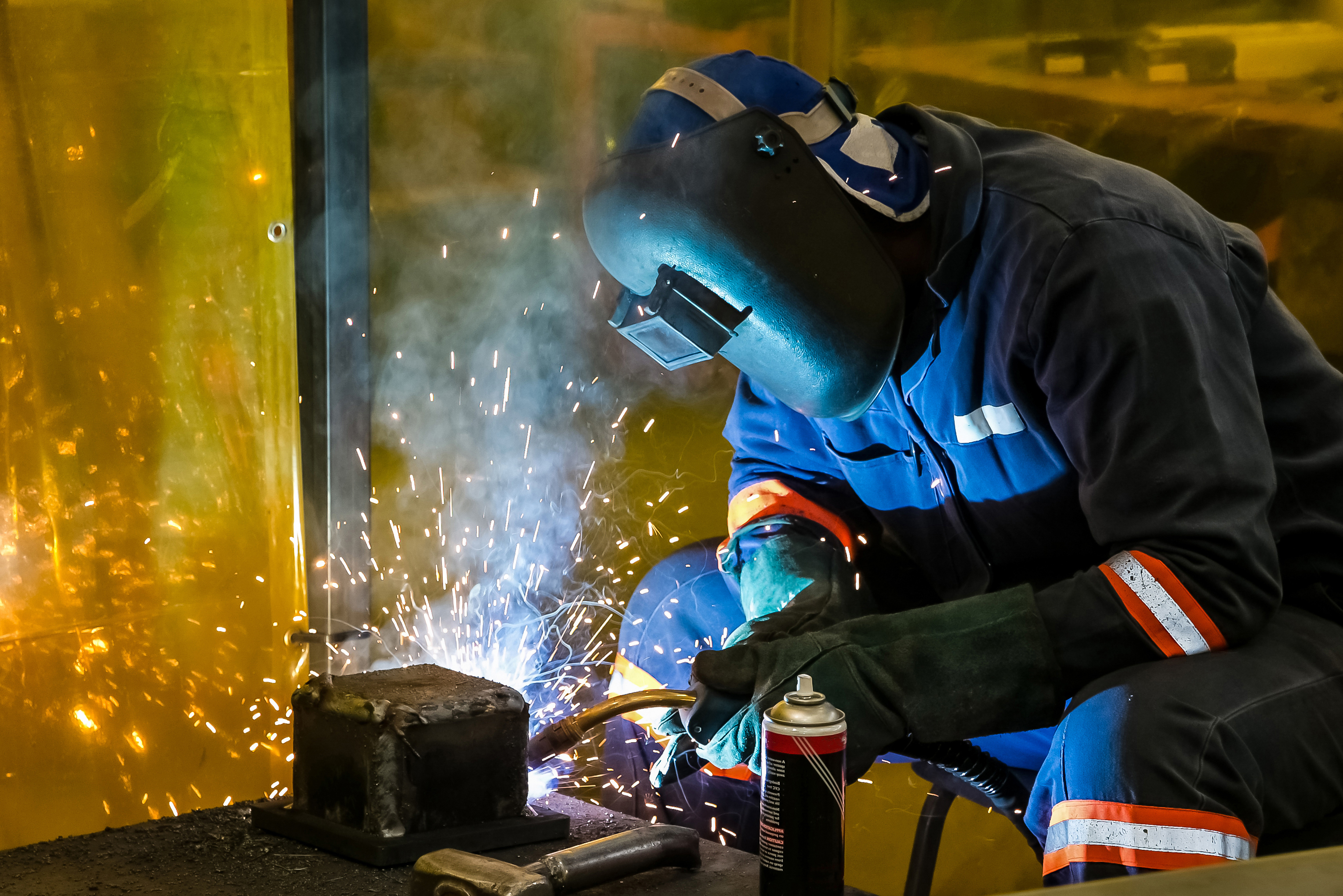
3. Key Differences That Matter: While the terms “hood” and “helmet” are often used interchangeably, the real difference comes down to functionality and preference. Hoods are rugged, no-nonsense tools preferred for specific types of welding that require consistency and resilience. Helmets, especially auto-darkening ones, are built for efficiency, convenience, and versatility in more dynamic shop environments. Another major factor is comfort. Auto-darkening helmets typically include padded headgear and customizable fit settings, while traditional hoods may be lighter but offer fewer comfort features. Also, the choice of lens — fixed vs. variable shade — impacts your visibility and eye strain during long shifts.
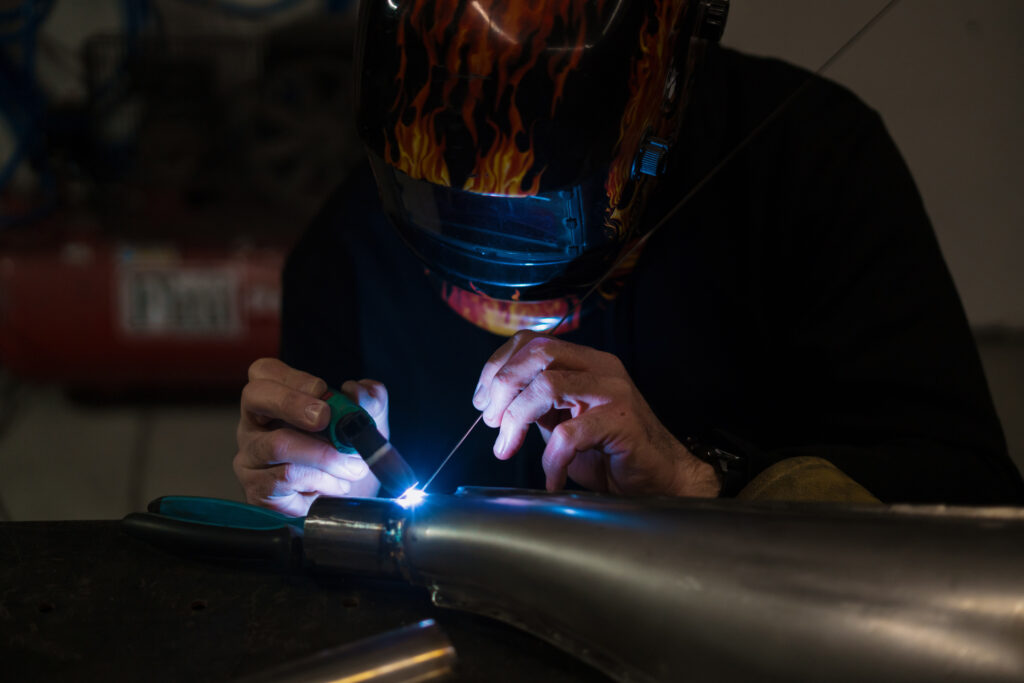
4. Choosing the Right Option for You: If you’re doing field welding, stick welding, or working in harsh outdoor conditions, a basic welding hood with a fixed lens may be all you need. They’re reliable, low-maintenance, and easy to replace if damaged. However, if you’re moving between weld types, working on thinner materials, or doing precision work in a shop, a full-featured auto-darkening helmet offers a better user experience. It also helps reduce fatigue, especially when paired with hands-free lighting, like the Greerride Rechargeable Welding Helmet Light, which gives you targeted visibility without adding bulk or getting in your way.
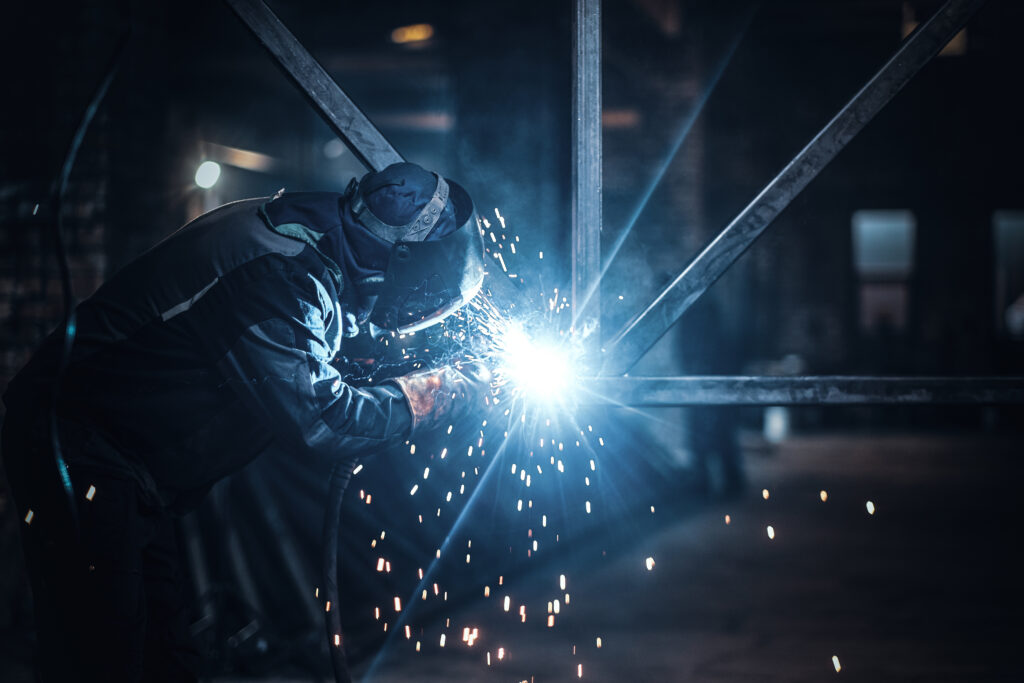
5. So… Is There Really a Difference? In many cases, welding hood and welding helmet refer to the same general piece of equipment — but the type of gear you’re using makes the real difference. What matters most is picking the right protection based on your work style, environment, and comfort. Whether you call it a hood or a helmet, make sure it fits well, protects your eyes and skin, and complements your workflow. And if you work in dim environments or confined spaces, adding a compact helmet-mounted light can drastically improve your visibility and weld quality.
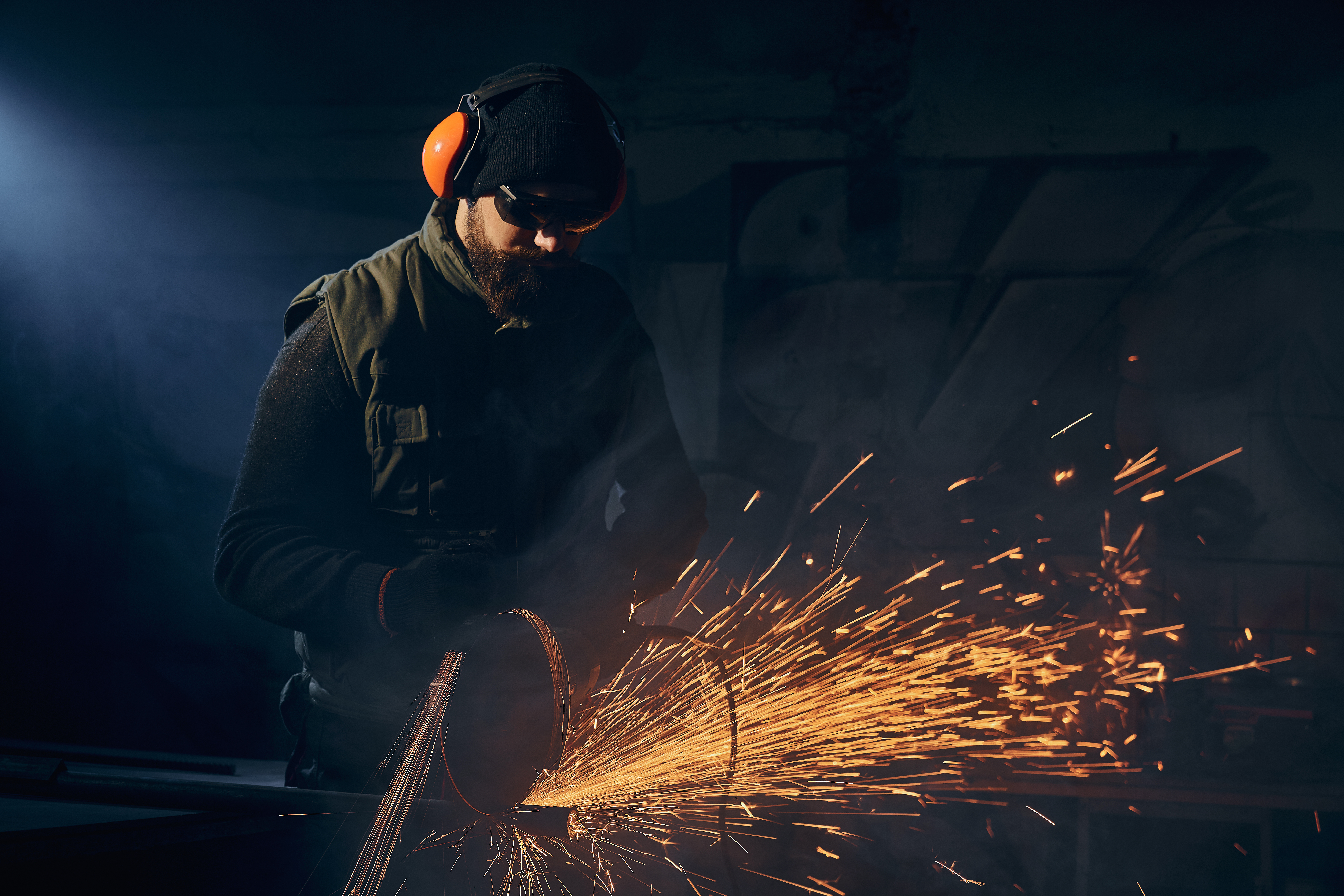
Terminology aside, the right headgear can improve your safety, comfort, and performance on the job. Traditional hoods and modern helmets both have their place — and understanding the difference helps you make a smarter investment.
Want to boost your helmet’s performance? Try our Greerride helmet light, designed specifically for welders who need visibility where it counts most.

A solid welding table is one of the most important investments you’ll make in your welding setup — whether you’re working in a garage, a
Step inside any welding shop—whether it’s a training lab, a home garage, or a commercial fabrication space—and you’ll find a carefully designed environment built for

Graduating from welding school is a big milestone — but stepping onto a jobsite is a whole new level. Whether you’re headed into construction, fabrication,
2 Responses
Right here is the perfect web site for everyone who really wants to
understand this topic. You know so much its almost hard to argue with you (not that I
actually would want to…HaHa). You definitely put a brand
new spin on a topic that’s been written about for
a long time. Wonderful stuff, just wonderful!
Thanks in favor of sharing such a nice idea, piece of writing is good, thats why i have read it completely